
In person & online
Specialized OCD Therapy
Take control of your thoughts and get your life back on track with evidence-based OCD & anxiety treatment in Baltimore, Maryland.

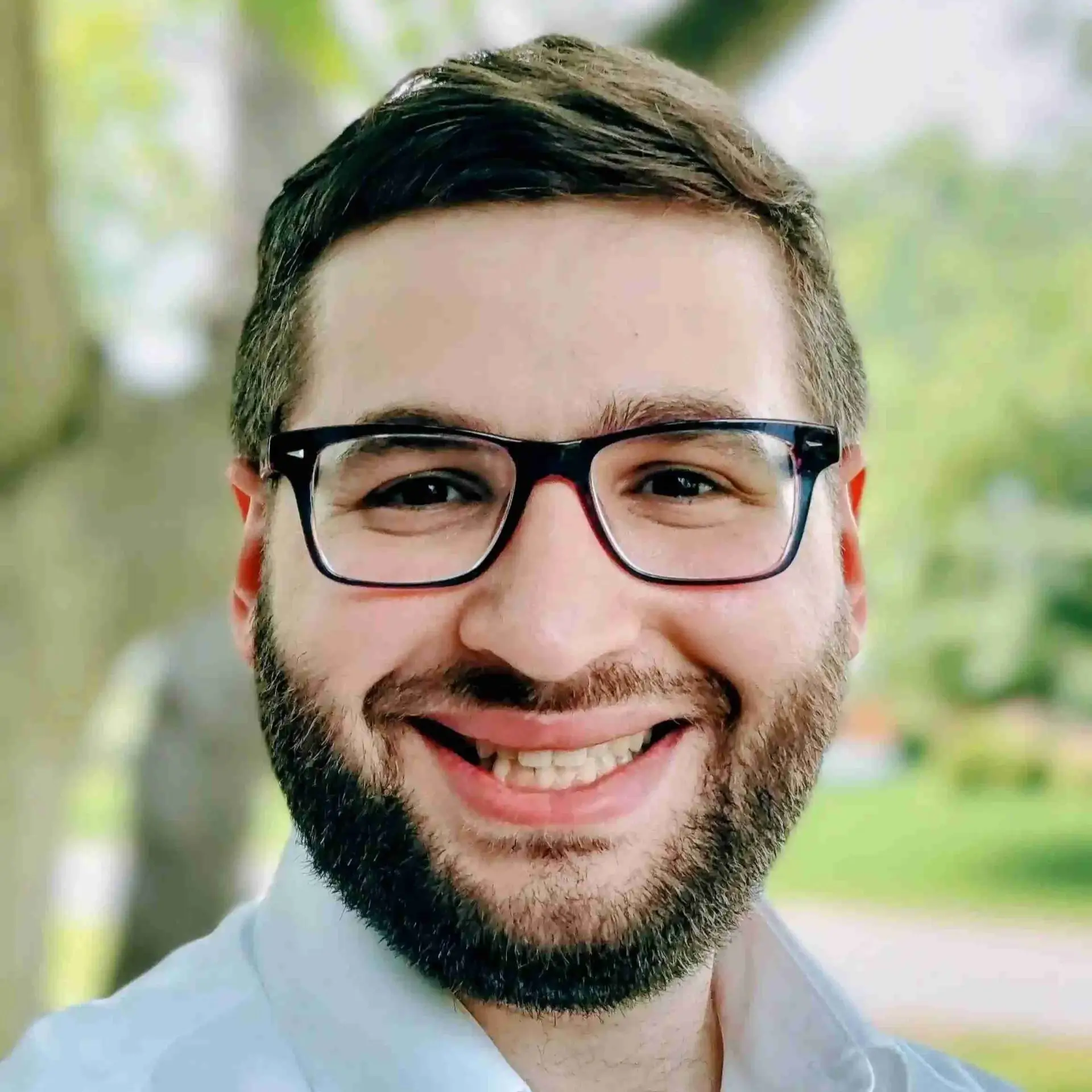
yisrael Zev schwartz, lcpc
Experienced OCD Therapist
Hi! đź‘‹ Thanks for visting my website. I’m a Maryland licensed professional counselor specializing in evidence-based therapy for anxiety, OCD, and related issues. If you’re looking for effective ways to reduce anxiety, address intrusive thoughts, and tackle OCD please don’t hesitate to reach out. My practice is a supportive, non-judgmental space where clients feel understood and empowered. I look forward to speaking with you!

member

treatment that works
Evidence based oCD therapy
- CBT – Cognitive Behavioral Therapy
- ERP- Exposure Therapy with Response Prevention
- ACT- Acceptance & Commitment Therapy
Our Google Reviews
Introduction to OCD
What Is Obsessive Compulsive Disorder?
Obsessive-Compulsive Disorder (OCD) is an anxiety-related mental health condition that involves unwanted, recurring thoughts (obsessions) and repetitive behaviors (compulsions).
- Obsessions are unwanted and intrusive thoughts, worries, doubts, urges, or images that can cause significant distress.
- Compulsions are behaviors, rituals, or mental acts performed in response to obsessions in an attempt to control, stop, or prevent anxiety and intrusive thoughts. These may include repetition, checking, ruminating, or seeking reassurance.
OCD can have a significant impact on daily life, relationships, and overall well-being.
Who We Help
Is OCD Therapy Right For You?
At Behavioral Health Direct, we provide specialized therapy for OCD. We work with motivated, high-functioning individuals experiencing OCD symptoms such as:
Distressing Intrusive Thoughts (Obsessions):
- Persistent, unwanted thoughts, images, or urges that are intrusive and anxiety-inducing.
- Fear of harm, contamination, or violating moral or ethical standards.
- Difficulty distinguishing between “normal” worries and obsessive thoughts.
Compulsive Behaviors:
- Time-consuming rituals.
- Feeling trapped in repetitive behaviors.
- Disruption of daily routines and responsibilities.
Emotional Distress:
- Chronic anxiety, fear, or guilt.
- Shame or embarrassment about symptoms or compulsive behaviors.
- Frustration and exhaustion from managing symptoms.
Relationship & Social Challenges:
- Strained relationships due to the time and energy spent on compulsions.
- Difficulty explaining symptoms to loved ones or receiving adequate support and validation.
- Feeling isolated or misunderstood.
Interference with Daily Life:
- Reduced productivity at work or school due to obsessions and compulsions.
- Avoidance behaviors to manage triggers, leading to missed opportunities or social withdrawal.
- Difficulty focusing or enjoying activities.
Self-Doubt and Reassurance Seeking:
- Constant need for reassurance.
- Doubting one’s own memory, actions, or intentions.
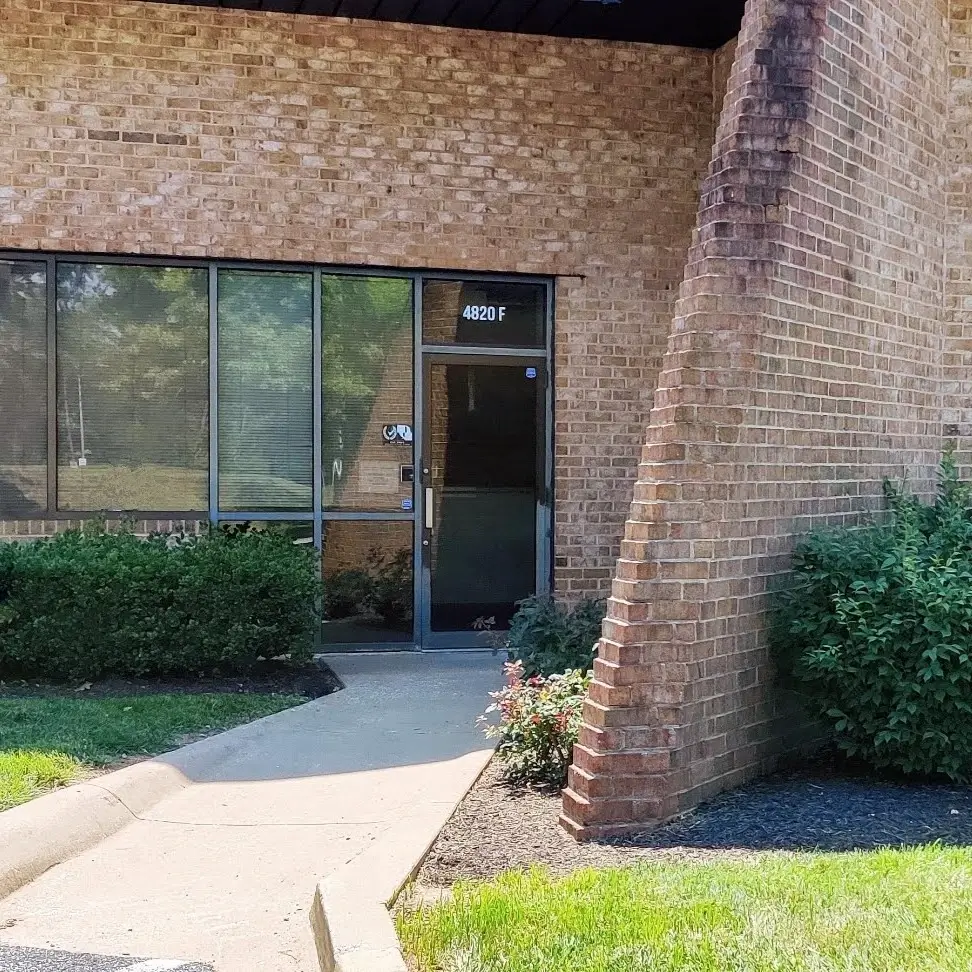
Location & service area
In Person & Online OCD Therapy
Baltimore & Surrounding areas
We offer flexible in person and online therapy options in Maryland. If you live further away, consider transitioning to teletherapy after the first few appointments.
OCD Therapy and Treatment
Common OCD Subtypes & Themes
Effective OCD treatment works across all forms of OCD. While OCD affects everyone differently, here are some common subtypes. If your experience doesn’t fit into these categories, that’s okay – we can still help.Â
Causing harm or losing control
Checking
Contamination
Religion or morality (scrupulosity)
Romantic relationships
Sexuality (POCD, HOCD, SO-OCD)
Symmetry & perfection
Evidence Based Therapy For OCD
At Behavioral Health Direct, we specialize in evidence-based psychological treatments that empower individuals to manage and reduce the impact of OCD. While medication ia a valid and effective option, it is not without potential side effects, and many people struggle to find the right medication or dosage that works for them. Psychological therapy provides an alternative that is effective, side-effect-free, and designed to address the root causes of OCD symptoms.
We don’t believe one size fits all when it comes to OCD treatment and we don’t rigidly stick to an approach. Our goal is to provide supportive, personalized care that fits your circumstances and preferences. Therapy is collaborative and intentional – we work with you to find what works best for your unique needs.
Cognitive Behavioral Therapy (CBT)
CBT is a well-researched therapy for OCD that looks at how thoughts and behaviors affect emotions. ERP, a key part of CBT, is highly effective for OCD as it directly targets compulsions. Another approach, Inference-Based CBT (I-CBT), addresses mistaken inferences and reasoning errors common in OCD. However, some aspects of CBT, like focusing too much on thoughts, can sometimes increase rumination or compulsive behaviors. By working intentionally, we ensure therapy reduces symptoms without reinforcing unhelpful cycles.
Exposure Therapy (ERP)
A cornerstone of OCD treatment and an essential part of CBT for OCD, ERP involves gradually exposing individuals to feared thoughts or situations while guiding them to resist compulsive behaviors. This process helps reduce the anxiety associated with obsessions and breaks the cycle of compulsions.
Acceptance & Commitment Therapy (ACT)
ACT complements traditional approaches by emphasizing psychological flexibility. OCD often involves struggling with intrusive thoughts, with compulsions aimed at neutralizing them. ACT teaches individuals to be open to these thoughts and experiences, reducing the impact they have on daily life. It encourages taking the mind less seriously and focusing on living a values-driven life instead of fighting difficult emotions or thoughts.
our fees
Our private pay model gives you the freedom to choose a therapist with a higher standard of care, who meets your needs best, and who is available and communicative when you need it most.
- Standard Therapy Sessions: $225 (45 minutes/billing code 90834)
- Initial Appointment: $295 (60 minutes/billing code 90791)
Many clients successfully use out-of-network insurance benefits to reduce therapy costs. We’ll guide you through the process, check your benefits, and provide an estimate.
FAQs
How often will we meet for therapy?
We generally recommend meeting once a week for consistency and progress. However, the frequency is completely up to you and can be adjusted based on your needs and schedule.
How long does therapy take?
The duration of therapy varies from person to person and depends on the severity of symptoms and personal goals. Many clients notice improvements after the first few sessions.
Do you only use ERP for OCD treatment?
No, while ERP is a highly effective and evidence-based approach for treating OCD, we work collaboratively with our clients to find the approach that best suits their needs. This includes incorporating other evidence-based modalities.
What’s the first step to getting started?
The first step is scheduling an initial consultation, where we’ll learn about your concerns, discuss potential treatment approaches, and answer any questions you have. From there, we’ll create a plan to move forward.
Do you accept insurance?
While we do not accept insurance directly, many of our clients successfully use their out-of-network benefits to offset therapy costs. We can help guide you through this process, check your benefits, and provide an estimate.
ready to get started with OCD therapy?
We’re accepting new patients and look forward to speaking with you.Â